- One in three young people wanting mental health support do not get it
- Almost six in ten young people are often bored or feel there is nothing to do
- Three in four parents want schools to be required to measure pupils' wellbeing, not just exam results
Eight in ten young people (80%) say the Government is not doing enough for their wellbeing, according to new research published today as a national campaign is launched aimed at putting young people at the heart of public policy.
Backed by Stephen Fry, Delia Smith, Alastair Campbell and the former Civil Service head Lord Gus O’Donnell, the Back Young People. Now campaign will launch on Monday 9 November at Toynbee Hall in East London. It is chaired by the economist Professor Lord Richard Layard and housed at the London School of Economics.
The campaign asks for six guarantees for young people, which should either be implemented before the next general election or included in every party's manifesto. No longer, it says, should children in Britain be less happy than anywhere else in Europe.
As the campaign’s research also shows, 70% of parents say they would be more likely to elect a party committed to the six guarantees. They are:
- Wellbeing as a measured goal for every school
- Life-skills taught by professionally trained teachers
- Mental health support and treatment readily available
- AI regulated for children
- Doubling expenditure on youth services, and
- Enough apprenticeships for all qualified young applicants.
The campaign estimates the gross cost of the package at just over £1 billion a year (plus a redirection of the Growth and Skills Levy) by its third year. Supporters say savings to the Exchequer from higher employment and lower social costs mean there would be no overall net cost to the taxpayer.
New polling by Savanta of more than 1,000 young people aged 11 to 24 and a similar number of parents reveals the scale of the challenge. Of the 43% of young people who say they have needed support for their mental health, almost a third (32%) did not receive it. Only 23% were able to get help quickly or easily, while 17% tried and failed to obtain any support at all.
Parents are equally concerned. More than eight in ten (86%) say the Government is not doing enough for young people's wellbeing, and 69% say they are worried about the wellbeing of young people in Britain. Four in ten parents (40%) are pessimistic about the future for young people, compared with 31% who are optimistic.
Professor Lord Richard Layard, Chair of Back Young People Now, said:
British children are among the least happy in Europe, and they have become less happy. This is a national crisis. Childhood wellbeing is the best predictor of wellbeing in adult life.
“Our six guarantees are practical, affordable and backed by evidence. They pay for themselves by keeping young people in education, shielding them from the benefits trap or, even worse, the criminal justice system.”
Dan Lawes, 25, Director of the Campaign, Back Young People Now, said:
Young people are telling us that the system is not working for them. Too many are waiting for mental health support that never comes, too many feel there is nothing to do where they live, and too many are giving up on the dreams they had.
“This campaign is about giving young people hope again. Politicians who are willing to listen may find a large coalition of young people, parents and grandparents ready to support them at the ballot box.
"The Chartists had six requests and secured five. This 3-year campaign also has six requests to transform youth wellbeing but is determined to achieve all six.”
The Savanta polling for the campaign also found:
- Loneliness: One in three young people (33%) say they often or always feel lonely.
- Nothing to do: More than half of young people (57%) say they often feel bored or that there is nothing to do, and only 36% think there are enough activities, clubs or spaces for young people in their area.
- Social Media and AI: 43% of social media users wish they spent less time on it, and over 40% say it gives them FOMO.
- Exam Pressure: 43% of school-age young people feel that “my school cares more about exam results than about me as a person”. Exam pressure is the single most common personal worry among young people (35%), even when exams are years ahead.
- Adult Trust: One in five young people (20%) say there is no trusted adult outside their family they could talk to about their worries.
- Political Support: Seven in ten (71%) of 14 to 24-year-olds say they would be more likely to support a party that committed to fast access to mental health support, and the same proportion for life skills teaching in schools. Among parents, 72% would be more likely to back a party that promised apprenticeships for all who want them.
- Life skills guarantee: This received the most support of all six topics from the young people and from parents.
For journalistsNotes to editors
The campaign will be launched on Monday 9 November 2026. Speakers include Lord Richard Layard, Alastair Campbell and Lord Gus O’Donnell, alongside young people and coalition partners.
- About the research: Savanta surveyed 1,057 children and young people aged 11 to 24 and 1,000 parents of children aged 5 to 24 in the UK. Data are weighted. Some questions were asked only of sub-groups, such as students currently enrolled in education.
- About the campaign: Back Young People Now is a 3-year, non-party-political campaign and is housed at the Centre for Economic Performance at the London School of Economics. It is chaired by Professor Lord Richard Layard, founder-Director of the Centre for Economic Performance, and directed by Dan Lawes, formerly Co-CEO of My Life My Say.
- Campaign board: Kadra Abdinasir, Alastair Campbell, Professor Jan-Emmanuel De Neve, Andrew Haldane, Fozia Irfan OBE, Prof Lord Richard Layard, Baroness Anne Longfield, Lord Gus O’Donnell, Lord Mark Price, Mark Williamson and Cosima Wiltshire.
- Background data: The full campaign document, Young People Deserve Better: The Six Guarantees, including costings.
- Thanks to key partners: Funded by the Prudence Trust, creatives by Livity, polling by Savanta, communications support from Arden Strategies.
None
Back young people. Add your name.
Every name tells MPs young people’s wellbeing can’t wait.
Add your nameCustom link

Topics

Dan Lawes
Founding Director
Read bio
Dan Lawes is the founding Director of the Campaign for Youth Wellbeing at the LSE Centre for Economic Performance, where he leads a campaign to put young people’s mental health and wellbeing at the centre of policy and public debate.
Previously, Dan was co-CEO of My Life My Say, equipping underrepresented young people with the tools and platforms to influence democratic decision-making. There, he coordinated Give An X, the UK’s largest youth voter registration campaign ahead of the 2024 General Election, uniting 300 organisations and brands including Tinder, Snapchat and Ben & Jerry’s, and reaching over 4 million 18–24 year olds. He also partnered with DCMS on the National Youth Strategy consultation, capturing the voices of more than 20,000 young people.
As a Manchester born campaigner, Dan is a Diana Award Legacy Recipient and winner of a National Democracy Award from the UK Cabinet Office.
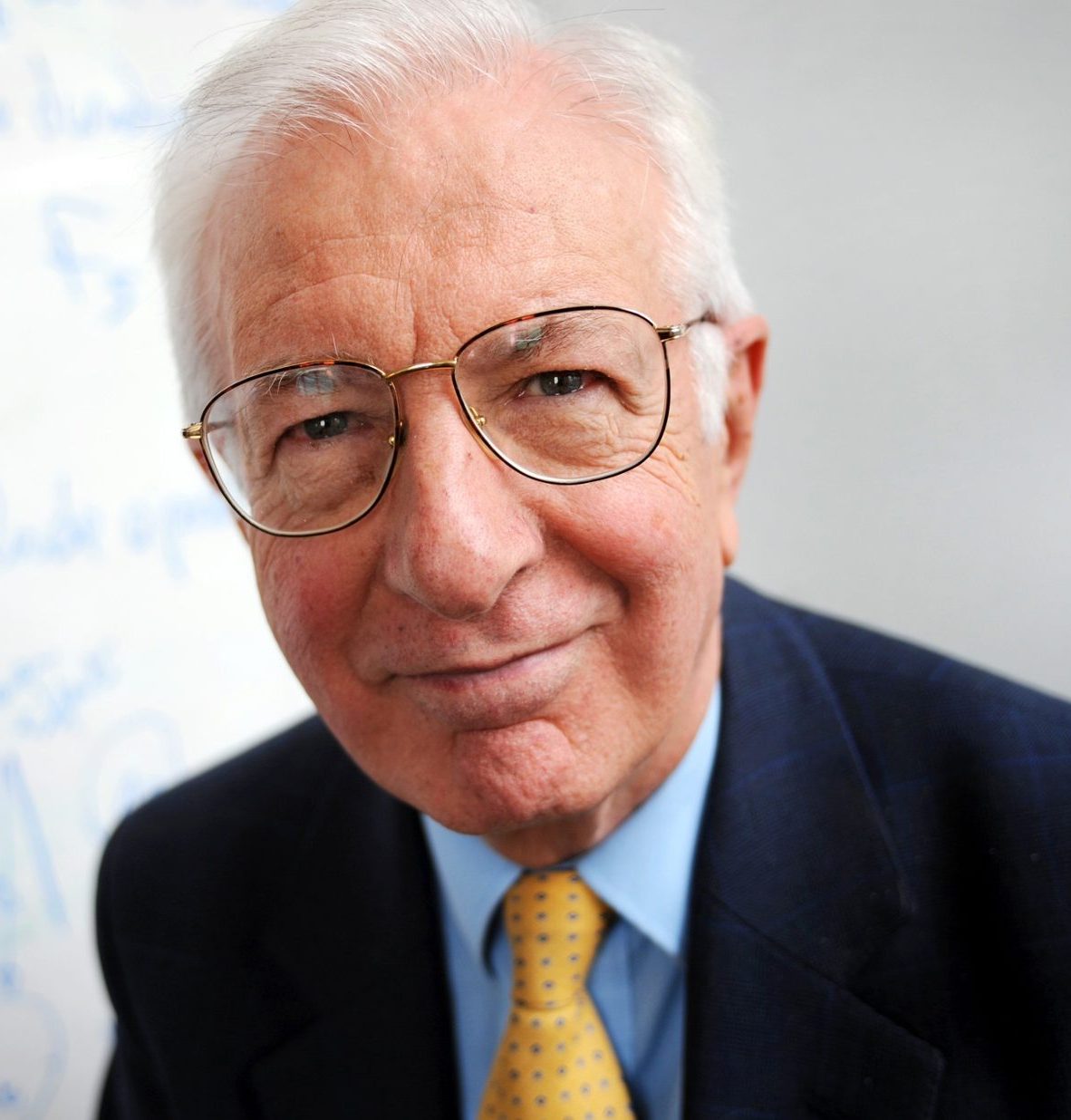
Lord Richard Layard
Chair
Read bio
Professor Lord Richard Layard is a co-founder of the Campaign for Youth Wellbeing. An economist who believes public policy should be targeted at people’s wellbeing, he is founder-Director of the Centre for Economic Performance at LSE and co-Director of its Wellbeing research programme.
His books include Happiness: Lessons from a New Science (2005), translated into 20 languages, and the field-defining textbook Wellbeing: Science and Policy. He is a founding co-editor of the annual World Happiness Report and co-founded Action for Happiness and the World Wellbeing Movement.
A member of the House of Lords since 2000, he persuaded the government in 2007 to create the programme now known as NHS Talking Therapies, which treats 700,000 patients a year. In 2010 he influenced the UK government to measure wellbeing as a national statistic. His current work focuses on measuring value for money across public spending in terms of wellbeing.